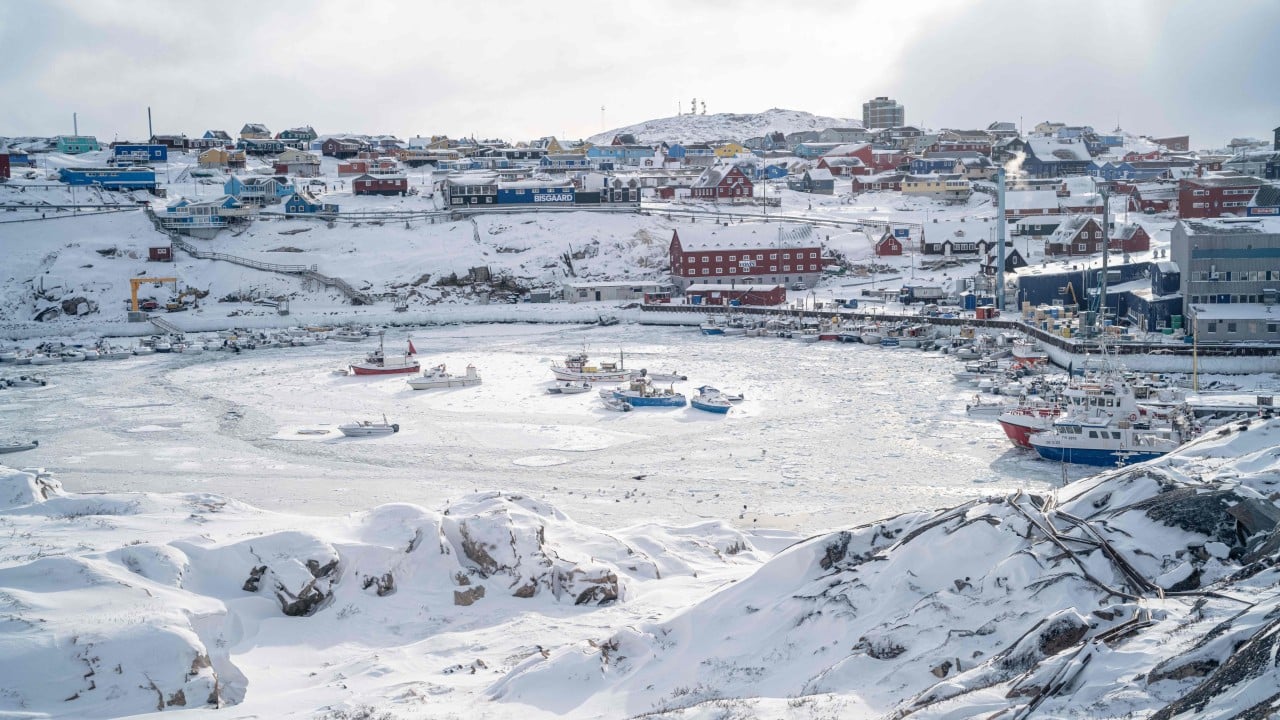
Donald Trump just declared that "massive" oil, gas, and mineral exploration is about to kick off in Greenland. He called it "our new and beautiful Greenland" on social media. That single phrase reignited a geopolitical firestorm across the Arctic.
If you look past the political posturing, the reality on the ground is far more complicated. Greenland isn't just waiting for American drills to drop. The island is a self-governing territory under the Kingdom of Denmark, and despite a recent trilateral security agreement signed by the US, Denmark, and Greenland in September 2026, Washington doesn't have unilateral drilling rights.
So what is actually happening in the world's largest island? Let's break down the economics, the legal barriers, and the real stakes behind Trump's latest declaration.
The Trilateral Pact And The Strategic Reality
To understand why Trump is talking about Greenlandic resources now, you have to look at the security deal hammered out last month. For months, tensions ran dangerously high. The White House repeatedly floated taking control of the island, prompting stern pushback from Copenhagen and local authorities who made it clear that sovereignty wasn't up for sale.
The compromise was a 10-page security pact. It clears the way for two new US military bases in southern Narsarsuaq and eastern Mestersvig, complementing the existing Pituffik Space Base in the north. It also accommodates the proposed "Golden Dome" missile defense system.
Trump leans heavily on this strategic angle. He argues that Greenland gives the US an unbeatable sightline to intercept incoming missiles and drones across the Arctic circle. But while the security framework is moving forward, commercial resource extraction is an entirely different beast.
The Mineral And Energy Potential
Trump claimed that experts tell him Greenland's easily available oil reserves dwarf almost anywhere else on earth. Geologists and energy analysts take a more measured view.
The Geological Survey of Denmark and Greenland (GEUS) estimated roughly 6.7 billion barrels of oil equivalent in risked recoverable resources in northeast Greenland alone. Beyond oil and gas, the island holds massive deposits of rare earth elements, lithium, graphite, nickel, cobalt, and copper.
These are the exact minerals needed for electric vehicles, defense tech, and advanced electronics. China currently dominates global rare earth processing, making Greenland's unmined bounty a holy grail for Western supply chain security.
Yet, knowing the minerals are in the ground and actually getting them out are two different challenges.
Why Arctic Extraction Is An Up-Hill Battle
If oil and gas reserves are sitting right there, why aren't companies already pumping? Economics and harsh reality get in the way.
- Extreme Weather: Arctic drilling means battling crushing ice packs, brutal sub-zero temperatures, and months of complete darkness.
- Prohibitive Costs: Historically, the cost of operating in remote Greenlandic basins has made private energy companies hesitant. It simply hasn't made economic sense without massive upfront subsidies or guaranteed high oil prices.
- Regulatory Hurdles: Greenland banned new oil and gas exploration in 2021 to prioritize climate concerns and fishing economies, though local officials face continuous pressure from foreign entities looking for loopholes. For instance, private firms like Greenland Energy have eyed old seismic data from the 1970s, but navigating local permits takes years.
When Trump claims exploration is starting, he's signaling political intent rather than operational reality. Private capital won't flood into the Arctic just because of a social media post. They need clear regulatory approval from Nuuk and long-term price stability.
What Comes Next For The Arctic Race
Trump's rhetoric keeps Greenland front and center in global headlines. The US military footprint on the island is expanding, giving Washington the strategic radar and defense positioning it craved.
However, don't expect oil rigs to pop up overnight. Local sovereignty laws mean Greenlanders retain control over their domestic policy and environmental rules. The race for Arctic resources is real, but it will be governed by slow legal battles, harsh weather, and stubborn economic math rather than executive decrees from Washington.
Keep an eye on how Nuuk responds to foreign companies attempting to bypass local hydrocarbon bans. That will tell you more about the future of Greenlandic energy than any press release ever will.



