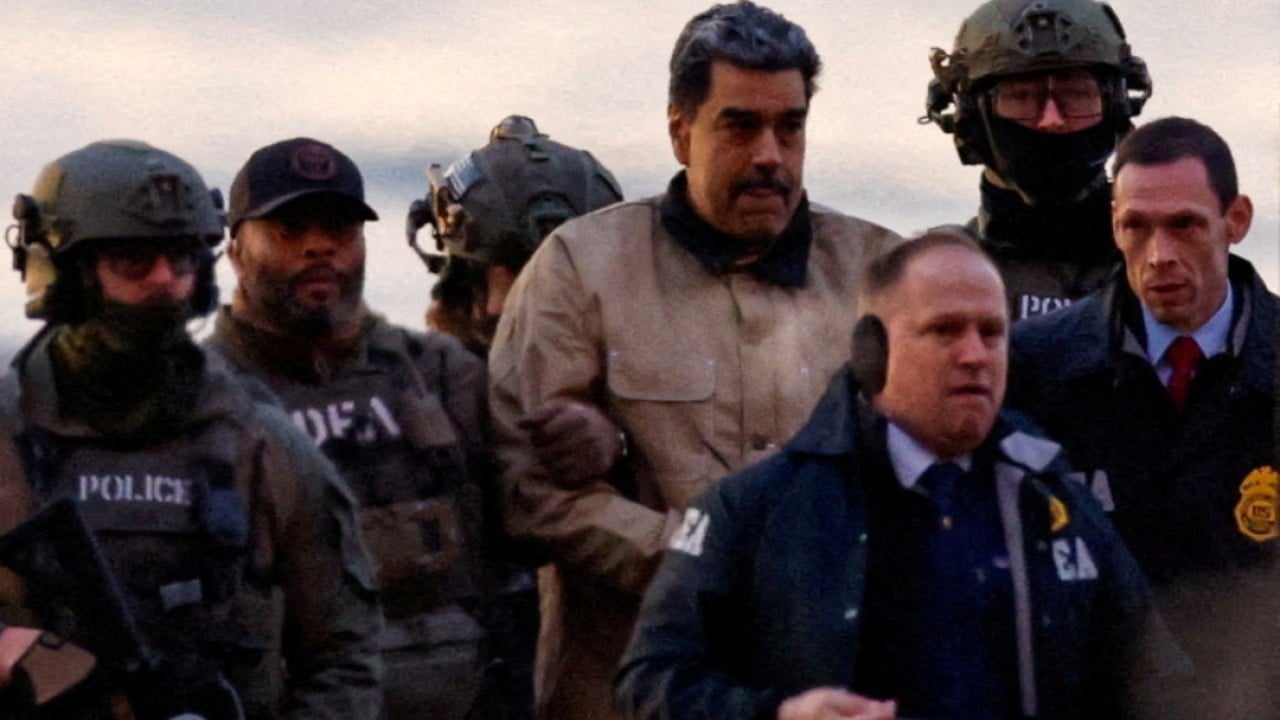
Shackled at the ankles inside a New York federal courtroom, former Venezuelan president Nicolás Maduro didn't just listen when a judge asked for his plea. He interrupted, pushing back against what he called a web of lies.
Judge Alvin K. Hellerstein had to enter a not-guilty plea on behalf of Maduro and his wife, Cilia Flores, after the ousted leader twice hijacked the proceedings to denounce a freshly rewritten federal indictment. That document doesn't just stick to the original drug trafficking and narco-terrorism charges stemming from their dramatic January seizure in Caracas. It goes much further, adding explosive allegations that the couple spearheaded a systematic, state-sponsored campaign of torture against political opponents, dissidents, and even American citizens.
Federal prosecutors now claim Maduro personally reviewed torture updates, recommended specific methods like asphyxiation and electric shocks, and even threatened a prisoner's child during interrogation sessions stretching back to his rise to power in 2013.
Why This Torture Indictment Changes Everything
Most people look at foreign leader prosecutions through a purely political lens. But adding torture charges to an existing drug conspiracy case completely alters the legal battlefield.
Drug trafficking indictments against foreign heads of state are already rare. Prosecuting torture under international law crosses an entirely different threshold. Universal jurisdiction allows courts to try grave human rights abuses outside the borders where they happened, regardless of the victim's nationality. By explicitly naming scores of victims and building a case around physical abuse, prosecutors are trying to cement a narrative of authoritarian brutality that goes far beyond illegal cartels.
Maduro’s defense team, led by attorney Barry Pollack, maintains that the former president looks forward to his day in court and denies all allegations. They've consistently argued that the entire case should be tossed out on foreign immunity grounds. After all, Maduro and Flores were the sitting president and first lady of a sovereign nation when U.S. military forces raided their home.
The Legal Hurdles Ahead
Trying a foreign head of state in an American court is uncharted territory for federal prosecutors. History shows very few comparable cases, such as proceedings involving the son of Liberian President Charles Taylor, war crimes prosecutions linked to Syrian prison wardens, and cases targeting Russian officials.
Every single move in this case sets a precedent. When Maduro stands before Judge Hellerstein again in December for the next pre-trial hearing, the arguments won't just be about routine criminal procedure. They will center on whether U.S. courts have the legal authority to judge the internal security operations of a foreign government, even one seized by military force.
The courtroom drama in Manhattan is far from over. As prosecutors scramble to substantiate claims of beatings, electric shocks, and psychological terror, Maduro's strategy is clear. He's framing the entire prosecution as a fabricated political spectacle.
The truth will have to survive the scrutiny of a New York jury.



