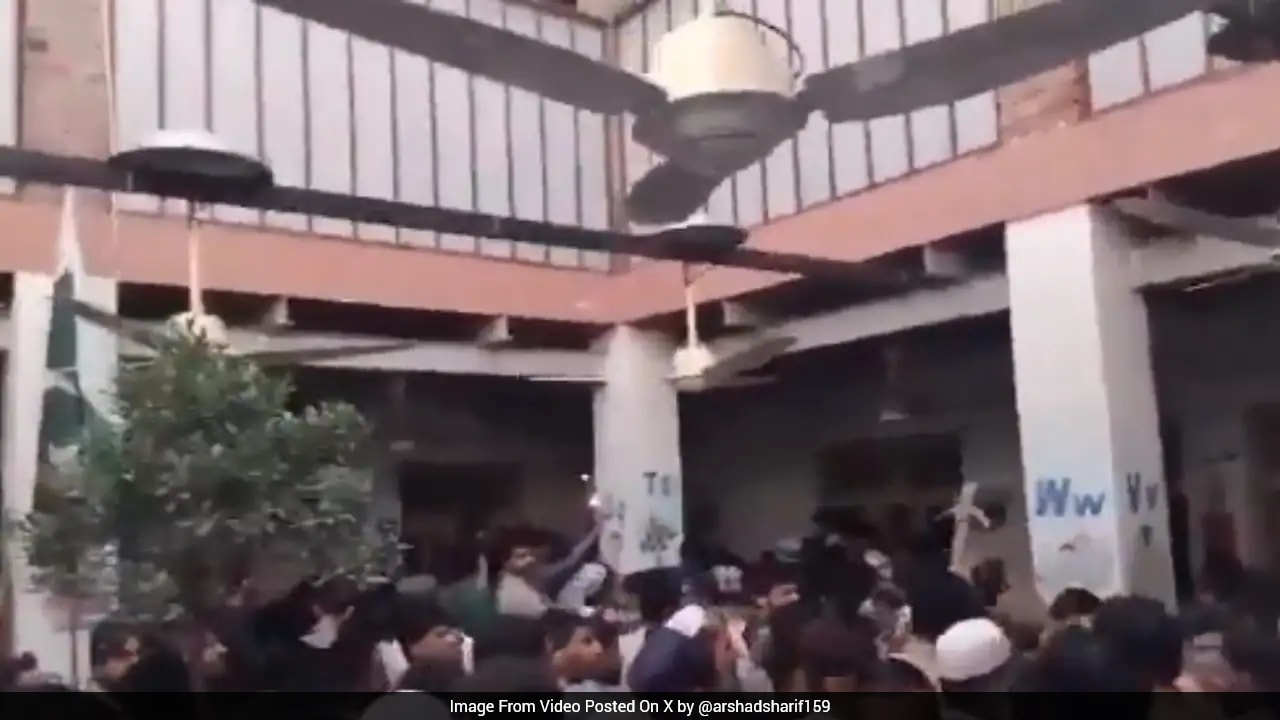
Tragedies happen. But structural failures that crush children inside classrooms are entirely preventable. When thirty-four students and their teacher lost their lives in a devastating school roof collapse in Pakistan, the headlines focused on the immediate grief. They should have focused on the systemic rot that allowed it to happen.
Infrastructure neglect doesn't make noise until it crashes down. Years of deferred maintenance, substandard building materials, and blatant corruption turn basic brick and mortar into death traps. When you look closely at how educational facilities are maintained in rural and semi-urban regions, you realize this disaster was waiting to happen.
Why Old Buildings Become Ticking Time Bombs
Most people assume schools are inspected regularly. They aren't. In many developing regions, school infrastructure relies on decades-old structures that haven't seen a single structural audit since the day they were built.
Water seeps in during monsoon seasons. Steel reinforcements rust and expand inside concrete pillars. The concrete loses its structural integrity bit by bit.
Administrators wait for visible cracks before panicking. By then, the damage has already moved deep into the load-bearing framework. It is a slow-motion disaster driven by institutional indifference.
The Cost of Cheap Construction Materials
Contractors cut corners to maximize margins. It is an open secret. Substandard cement, uncertified steel rods, and poor mixing ratios weaken buildings before classes even begin.
When a roof spans a large classroom without proper support beams, it relies entirely on the tensile strength of aging materials. Add heavy rain or weak foundations, and the structural safety factor drops to zero.
- Substandard cement fails under high humidity and thermal expansion.
- Uncertified iron bars snap instead of bending under stress.
- Poor drainage pools water directly on flat concrete roofs, adding massive dead loads.
The Accountability Vacuum
When a school roof caves in, pointing fingers starts immediately. Local authorities blame budget constraints. Contractors blame shifting soil or unexpected weather events. Officials promise independent inquiries, compensation packages, and strict safety checks across all public buildings.
Then the news cycle shifts. The investigations stall out. No engineers lose their licenses. No bureaucrats face criminal negligence charges.
This lack of accountability creates a dangerous incentive structure. As long as nobody goes to jail for structural negligence, cutting corners remains cheaper than doing the job right.
What Actually Needs to Change Right Now
Fixing this problem requires abandoning bureaucratic theater. Annual safety certifications shouldn't be rubber-stamped on paper. They require rigorous physical audits using modern testing equipment to check concrete core strength and steel corrosion levels.
Parents and local communities also need the power to shut down unsafe buildings without waiting for government permission. When a roof shows signs of leakage or sagging, classes must move outside immediately, regardless of what the schedule says.
Protecting children requires prioritizing infrastructure spending over superficial political projects. Until local leadership treats structural safety as a non-negotiable baseline rather than an optional budget item, more classrooms will remain death traps.
Stop waiting for the next catastrophe to demand safe schools.



