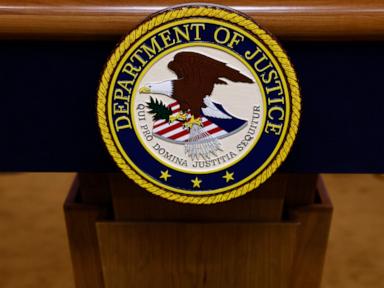
The federal government just escalated its war over election administration. The Department of Justice filed a lawsuit against California in federal court, demanding an immediate halt to counting mail-in ballots from a list of more than 20,000 voters flagged as alleged non-citizens.
This isn't a routine administrative dispute. It's a high-stakes legal showdown playing out right before a major election, pitting federal supremacy theories directly against state-run election systems.
If you've been following election administration headlines, you know the script. But the mechanics behind this specific lawsuit reveal a massive shift in strategy, timeline pressures, and a familiar debate over accuracy versus speed.
Let's look at what's actually happening.
The Core of the Dispute
The Justice Department filed its complaint in the U.S. District Court for the Central District of California. Prosecutors are leaning heavily on the federal supremacy clause. The legal theory argues that federal authorities are duty-bound to intervene if state election practices risk allowing non-citizens to cast ballots in federal races.
According to the DOJ, the state has more than 20,000 individuals on its voter rolls who may not hold U.S. citizenship. The lawsuit asks a federal judge to block officials from tabulating mail-in ballots received from anyone on that list until their citizenship status gets thoroughly verified.
State officials aren't backing down. California Secretary of State Shirley Weber fired back, stating that the state maintains strict requirements ensuring only citizens can register. She pointed out that the federal agency's 48-hour ultimatum gave local offices an impossible timeline to vet thousands of names safely. Governor Gavin Newsom characterized the move as a politically motivated stunt designed to create chaos and sow doubt heading into the voting booth.
Why This Legal Strategy Is Different
For years, the DOJ usually routed these kinds of voter roll disputes through its Civil Rights Division. Those previous attempts often hit massive roadblocks or failed in court when trying to force states to hand over or purge specific voter data.
This time, the playbook changed. Senior officials within the deputy attorney general's office stepped in directly. By bypassing traditional civil rights channels and anchoring the complaint to the federal supremacy clause, the administration is trying a faster, more aggressive route.
Yet, speed often creates blind spots. Vetting tens of thousands of voter registration files in a matter of days is practically impossible without causing collateral damage to legitimate voters.
The Accuracy Problem With Government Flags
Mass database comparisons sound foolproof on paper, but reality is messy. Federal agencies frequently cross-reference outdated lists, citizenship transition dates, and administrative records that don't sync up in real-time.
We've seen this movie before. Look at what happened in Nevada. The Department of Homeland Security flagged 185 individuals on that state's voter rolls as potential non-citizens. State election workers took the time to review every single name. The result? Every single person on that list turned out to be a fully lawful U.S. citizen.
When quick database matches replace careful administrative verification, eligible voters frequently get caught in the crossfire. That's why local election administrators push back so hard against last-minute federal demands.
What Happens Next
As the lawsuit moves through federal court, election offices across California are dealing with a logistical nightmare. Ballots are already out, mailboxes are filling up, and the clock is ticking down to election day.
Judges now have to weigh whether an unverified federal list justifies disrupting an ongoing election. History suggests that courts are deeply skeptical of sweeping injunctions that threaten to disenfranchise legal voters right as voting is underway.
Keep an eye on how district judges handle the emergency requests. The outcome will set a heavy precedent for how federal and state authorities clash over election rules moving forward.



