When a top official compares unemployed youth to parasites, you'd expect silence or shame. Instead, young Indians embraced the insult, printing it on banners and building a political movement out of pure defiance.
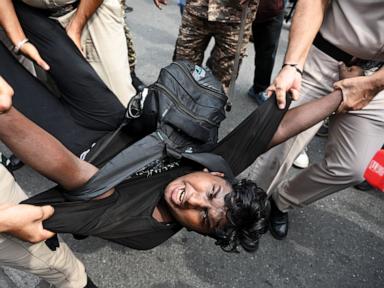
The India Cockroach protest movement is rewriting the rules of street opposition. Following a massive security crackdown in New Delhi that saw thousands detained, the movement's prominent figures are back on the streets. Founder Abhijeet Dipke, alongside spokesperson Saurav Das and leader Ashutosh Ranka, walked free from court custody over the weekend.
Authorities slapped a bizarre condition on their release: they must commit no breach of the peace for one entire year. Legal teams are scratching their heads over what that actually means, but the leaders aren't wasting time decoding legal jargon. They're already doubling down.
How an Insult Sparked a Youth Revolution
Months ago, an offhand remark by India's chief justice compared young, unemployed jobseekers to parasites. Rather than shrinking away, student groups and young professionals flipped the script. They formed the Cockroach Janata Party, adopting the resilient insect as their official mascot.
Cockroaches survive everything. They outlast pesticide, neglect, and hostile environments. For millions of young Indians stuck facing severe joblessness and institutional hurdles, the metaphor hit home.
This isn't their first rodeo, either. Back in July, protests spearheaded by this exact youth network forced the resignation of Prime Minister Narendra Modi's education minister. That was a stunning political defeat for a government that rarely bends to public pressure.
The Current Clash Over Voter Lists
Why are thousands of people flooding the capital right now? The immediate catalyst centers on a contentious revision of voter lists. Critics argue the overhaul is politically motivated to manipulate upcoming electoral maps. Prime Minister Modi's ruling party claims the audit simply eliminates duplicate and ineligible entries.
The disagreement erupted into a full-scale security crisis. Delhi police launched a massive sweep over the weekend, detaining upwards of 2,000 protesters. Authorities also suspended mobile internet services in parts of the city, closed metro stations, and canceled train lines heading into the capital to choke off the demonstration.
Opposition lawmakers joined the marches, and high-profile figures like Communist Party lawmaker John Brittas found themselves hauled away by security personnel.
What Happens Next on the Ground
Following his release, Abhijeet Dipke didn't mince words. He called Prime Minister Modi an embarrassment and accused the administration of running a government built on fear. Saurav Das echoed that sentiment, telling reporters that the state has effectively declared war on its own civilian population.
The government wants quiet compliance. The Cockroach Janata Party wants structural accountability, starting with the resignation of Chief Election Commissioner Gyanesh Kumar.
With leaders freed and public anger simmering, the confrontation isn't cooling down. When a state tries to crush a movement built on survival, it usually discovers it only made it harder to kill.



