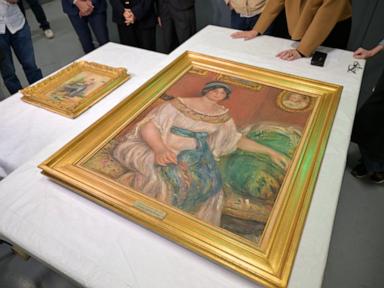
Art heists look effortless in the movies. Thieves slice glass, dodge laser grids, and vanish into the night with priceless masterpieces. Real life is messier. When criminals targeted the Renoir Museum in Cagnes-sur-Mer, France, they managed to grab valuable works during a lightning-fast break-in. But they left behind something biological and mechanical that law enforcement used to dismantle their whole operation.
French authorities didn't rely on luck. They combined biological forensics with digital surveillance to track down two stolen Renoirs—Portrait of Madame Colonna Romano and Young Woman at the Well—and arrested multiple suspects before they could strike again.
The Anatomy of the Cagnes-sur-Mer Break-In
The heist happened on September 8 at the small Renoir Museum on the French Riviera. The perpetrators knew what they wanted. They sliced through a security fence, forced a window, and targeted the most valuable canvases inside.
The entire raid took less than three minutes. But speed doesn't guarantee a clean getaway. An alarm blared, and police cars arrived four minutes later. That swift response panicked the crew. As they scrambled to escape, they abandoned two of the four stolen paintings in a protective sleeve.
They still escaped with two masterworks, thinking they had pulled off the perfect crime. They were wrong.
How Forensic Science and Tracking Solved the Case
Marseille prosecutor Nicolas Bessone detailed how investigators cracked the case open. It came down to two modern policing staples: DNA evidence and vehicle tracking.
First, investigators recovered biological evidence left directly on a protective painting cover abandoned at the scene. That genetic profile gave police a concrete lead on one of the suspects.
Second, digital vehicle tracking allowed authorities to monitor the movements of vehicles linked to the suspects. Instead of guessing where the gang went, investigators followed digital breadcrumbs across the region.
The trail led straight to a suspect who received the paintings and hid them behind a freshly built wall beneath a staircase in his home. When police raided the property, they found the Renoirs tucked away behind the masonry.
Preventing the Next Target
The investigation didn't just recover the missing artwork. It stopped another catastrophe.
As police monitored the suspects, they noticed meetings with a fourth man who had prior convictions for art theft and forgery dating back to 2001 and 2003. That connection triggered an urgent realization. Investigators grew deeply suspicious that another heist was imminent, prompting immediate arrests to shut down the cell.
Four men face preliminary charges including organized theft and criminal association. Two others were initially arrested for concealing stolen goods and placed under judicial supervision with a travel ban, while two more were released without charges.
Security vulnerabilities at cultural institutions across France remain a hot-button issue. With regional data showing dozens of security incidents at museums, smaller cultural sites are under intense pressure to upgrade physical security before thieves exploit more gaps.
If you manage cultural property or security assets, don't assume remote locations are safe from organized networks. Modern forensics mean physical evidence lingers long after a crew flees. Protect your facilities now.



