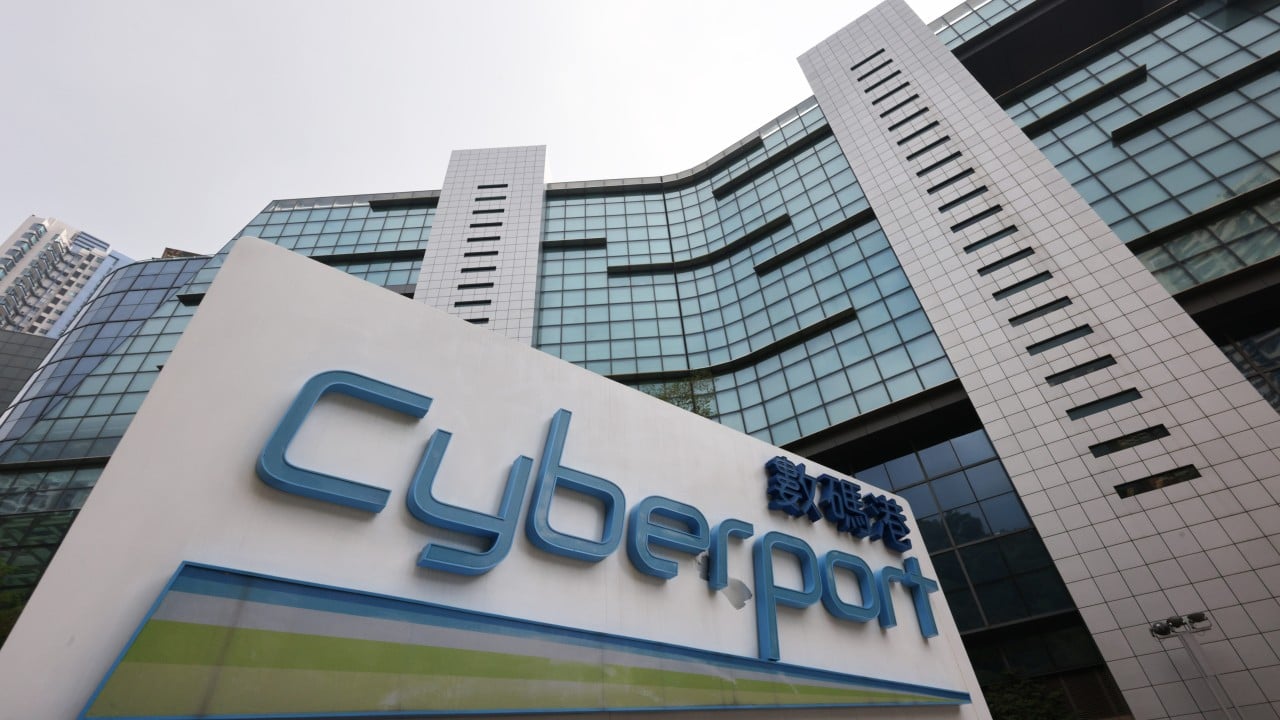
Public trust in technology funding takes a massive hit when the very people tasked with building an innovation ecosystem decide to rig the system instead. Hong Kong's Independent Commission Against Corruption recently dropped criminal charges against six individuals, including a high-ranking former department head at Cyberport, tied to an alleged HK$20 million tech subsidy fraud scheme.
If you are wondering how government-backed technology grants get exploited on a massive scale, the mechanics of this case reveal glaring vulnerabilities in institutional oversight. Let's break down what happened, how the scheme operated across hundreds of applications, and what it means for the future of tech funding compliance.
Inside the HK$20 Million Cyberport Subsidy Scandal
The investigation centers around Alice So Nga-lai, 59, the former head of entrepreneurship at Hong Kong Cyberport Management Company Limited. According to ICAC charges filed in October 2026, So allegedly abused her powerful position to look the other way, fast-track applications, and shield a specific artificial intelligence vendor from regulatory scrutiny.
Alongside So, authorities charged five other individuals connected to Find Solution AI Limited, including sole proprietor Viola Lam Yuen-lee, 39, company secretary Paul Lam Kin-ho, 35, and three downline vendors—Daniel Lee, Chan Hoi-tsun, and Tsang Wai-ping—ranging in age from 31 to 52.
The scale of the operation is staggering. Investigators uncovered at least 400 separate applications tied to approximately HK$20 million in public technology subsidies. Instead of legitimate small and medium-sized enterprises organically adopting technology, the conspiracy relied on fabricated paperwork and kickbacks.
The Mechanics of the Alleged Bribe and Fraud Ring
How did a multi-million-dollar scam fly under the radar for so long? The conspiracy utilized a multi-layered approach involving direct bribery and fraudulent subsidy representations.
According to the prosecution led by ICAC officer Gary Li, So allegedly accepted various corrupt advantages from Viola Lam in exchange for remaining favorably disposed toward Find Solution. The gifts weren't subtle cash handovers; they included luxury goods such as branded handbags, a smartphone, and multiple round-trip flight tickets between Hong Kong, Thailand, and Japan. In return, So allegedly curbed internal investigations into complaints lodged against Find Solution and fast-tracked the release of subsidy funds.
The fraud scheme itself targeted structural loopholes in public grants. The defendants allegedly submitted false representations claiming that various SMEs had applied for subsidies, engaged Find Solution as a service provider, and paid half of the required service fees. This manufactured compliance tricked Cyberport into approving applications and disbursing the remaining matching halves of the funds.
The court adjourned the case to January 4, 2027. All six defendants were released on bail ranging from HK$20,000 to HK$100,000, accompanied by strict travel bans and orders barring them from contacting prosecution witnesses. Cyberport cooperated fully with the ICAC throughout the probe, reiterating a zero-tolerance policy toward corruption.
Why Current Innovation Funding Oversight Fails
Government technology grants are meant to fuel economic momentum, but they often lack the friction required to deter bad actors. When agencies push hard to hit distribution metrics and disburse capital quickly, security checks take a back seat.
Startups and vendors realize that speed trumps scrutiny. When grant administrators measure success by the volume of cash pushed out the door rather than the long-term viability and legitimacy of the recipients, corruption finds fertile ground.
This case exposes three major flaws in public funding administration:
- Discretionary bottlenecks: When a single department head holds unilateral power to expedite approvals or stall complaints, accountability vanishes.
- Weak vendor vetting: Downline vendors and service intermediaries often operate with minimal background checks regarding their true business volume.
- Metrics driven by quantity: Pressure to approve hundreds of applications quickly creates blind spots where duplicate or fictitious submissions easily slip through.
The Regulatory Fallout and What Changes Next
The ICAC is not letting this scandal pass quietly. Following the arrests and charges, anti-graft officials announced immediate defensive measures to plug the holes exposed by the Cyberport investigation.
The agency plans to roll out a specialized Corruption Prevention Guide focused specifically on innovation and technology funding schemes. This resource aims to help grantors tighten application monitoring. Furthermore, the ICAC is launching mandatory training programs for public sector management staff to elevate corruption awareness and operational oversight.
If you run a startup or manage public grants, expect tighter compliance audits moving forward. Grant administrators will demand heavier documentation, cross-reference vendor invoices more aggressively, and eliminate fast-track channels that bypass secondary verification.
Transparency isn't just a corporate buzzword; it is the only defense against institutional rot. Moving forward, public bodies must treat grant distribution with the same rigorous auditing standards applied to banking institutions.
Take a close look at your compliance pipelines if you operate within government-backed innovation hubs. Ensure your documentation is watertight, because regulatory leniency is officially a thing of the past.



